
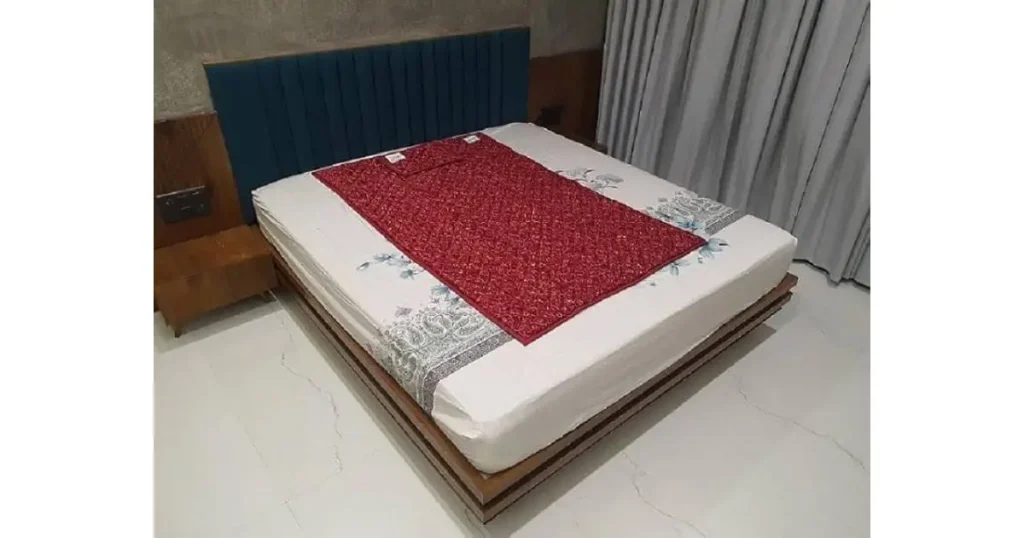
The wellness industry has witnessed significant growth over the past few years, with businesses increasingly seeking innovative solutions to meet consumer demand. Among these solutions, magnetic therapy products have gained notable attention. B2B buyers are particularly keen on understanding current trends in this niche, as these insights help in sourcing high-quality, effective products. Understanding these trends ensures that businesses can offer state-of-the-art wellness solutions and stay competitive in a rapidly evolving market.
One of the most significant trends in magnetic therapy products is the integration of wearable technology. Modern consumers are not just interested in conventional magnetic therapy items like bracelets or insoles—they now seek products that provide real-time health tracking alongside magnetic benefits. This combination of technology and therapy appeals to a tech-savvy audience and creates opportunities for B2B buyers to offer differentiated products in retail stores, wellness centers, and online marketplaces.
Sustainability is another major trend shaping magnetic therapy products. As environmental consciousness rises, businesses and consumers alike prefer products made from eco-friendly materials. Manufacturers are now producing magnetic therapy items using biodegradable, recycled, or ethically sourced components. For B2B buyers, aligning with sustainable suppliers not only enhances brand reputation but also caters to the growing segment of eco-conscious consumers, which is essential in today’s market.
Customization is rapidly becoming a key feature in magnetic therapy products. More B2B buyers are seeking items that can be personalized according to customer preferences, whether in terms of size, design, or magnetic intensity. This trend reflects a broader consumer demand for unique, tailored solutions in wellness and health. Offering customizable magnetic therapy products allows businesses to create exclusive offerings, differentiate themselves from competitors, and increase customer loyalty.
The demand for multifunctional products is also shaping the market for magnetic therapy products. Modern consumers prefer items that serve multiple purposes, such as a magnetic mattress pad that also provides ergonomic support or a magnetic bracelet that doubles as a stylish accessory. For B2B buyers, stocking multifunctional magnetic therapy products means meeting consumer expectations for value-added products, which can result in higher sales volumes and better market positioning.
Digital marketing and e-commerce trends are significantly impacting magnetic therapy products. Businesses are increasingly leveraging online platforms to reach customers directly, and this has influenced the types of products being sourced. B2B buyers need to consider how well a product can be marketed online, its visual appeal, and how it fits into the digital consumer journey. Investing in magnetic therapy products that are visually appealing, easy to ship, and compatible with online marketing strategies can boost overall profitability.
Another notable trend in magnetic therapy products is the growing focus on clinical validation and scientific backing. Consumers are more informed and skeptical about wellness claims, so products with documented efficacy gain a competitive edge. B2B buyers are, therefore, looking for suppliers who provide credible research, certifications, and testing reports. Sourcing magnetic therapy products with proven benefits helps businesses build trust with end customers and supports higher-value pricing strategies.
Technological advancements in materials have also influenced magnetic therapy products. Innovations in magnetic alloys, ceramic magnets, and flexible magnetic materials have allowed manufacturers to create more durable, effective, and comfortable products. B2B buyers benefit from these advancements by offering products that promise long-lasting performance, enhanced therapeutic effects, and improved customer satisfaction. Staying updated on material trends ensures that businesses remain competitive in a market driven by innovation.
Globalization has expanded the availability and variety of magnetic therapy products. B2B buyers now have access to international suppliers who provide unique designs, magnetic strengths, and cultural variations. This trend allows businesses to diversify their product range and cater to different customer segments, such as wellness enthusiasts, athletes, or the elderly. Sourcing globally not only increases variety but also encourages competitive pricing and exposure to cutting-edge product innovations.
Safety and regulatory compliance are increasingly critical in the magnetic therapy products sector. Governments and health organizations are implementing stricter guidelines to ensure that magnetic therapy items are safe for consumer use. B2B buyers must prioritize suppliers who comply with relevant regulations, such as ISO standards or local safety certifications. Offering compliant magnetic therapy products protects businesses from legal risks, reinforces credibility, and promotes consumer confidence in the products they sell.
Another emerging trend in magnetic therapy products is the integration of aesthetics and lifestyle appeal. Consumers now value not only the therapeutic benefits but also the design, color, and style of these products. B2B buyers are seeking suppliers who offer magnetic therapy products that align with lifestyle trends, such as minimalist designs, fashionable accessories, or home wellness décor. This trend opens opportunities for businesses to tap into new market segments and attract design-conscious customers who appreciate both function and style.
B2B buyers are also noticing the rise of subscription-based models in magnetic therapy products. Businesses can offer recurring product shipments, such as magnetic patches, insoles, or wearable bands, which ensure continuous use and customer retention. This model benefits both suppliers and buyers by creating predictable revenue streams and fostering long-term customer relationships. Adopting subscription options can therefore be a strategic move for B2B buyers seeking growth in the wellness market.
Finally, education and awareness campaigns are crucial for promoting magnetic therapy products. Many consumers still have limited knowledge about how magnetic therapy works and its potential benefits. B2B buyers are investing in products from suppliers who provide educational resources, training materials, or marketing support. By doing so, businesses empower end customers to make informed purchasing decisions, enhance product credibility, and increase adoption rates. Awareness initiatives also position the business as an authority in wellness solutions, strengthening brand reputation.
In conclusion, the magnetic therapy products industry is evolving rapidly, driven by technological innovation, sustainability, multifunctionality, and consumer education. B2B buyers who understand these trends are better positioned to source high-quality products, differentiate their offerings, and meet modern consumer expectations. By staying ahead of trends such as wearable integration, customization, multifunctionality, and compliance, businesses can leverage the growing demand for magnetic therapy products and establish themselves as leaders in the wellness industry.

